
Domain 8
Light & Circadian Rhythm
Daylight access, glazing placement, and specified spectral and dimming behavior of fixtures.
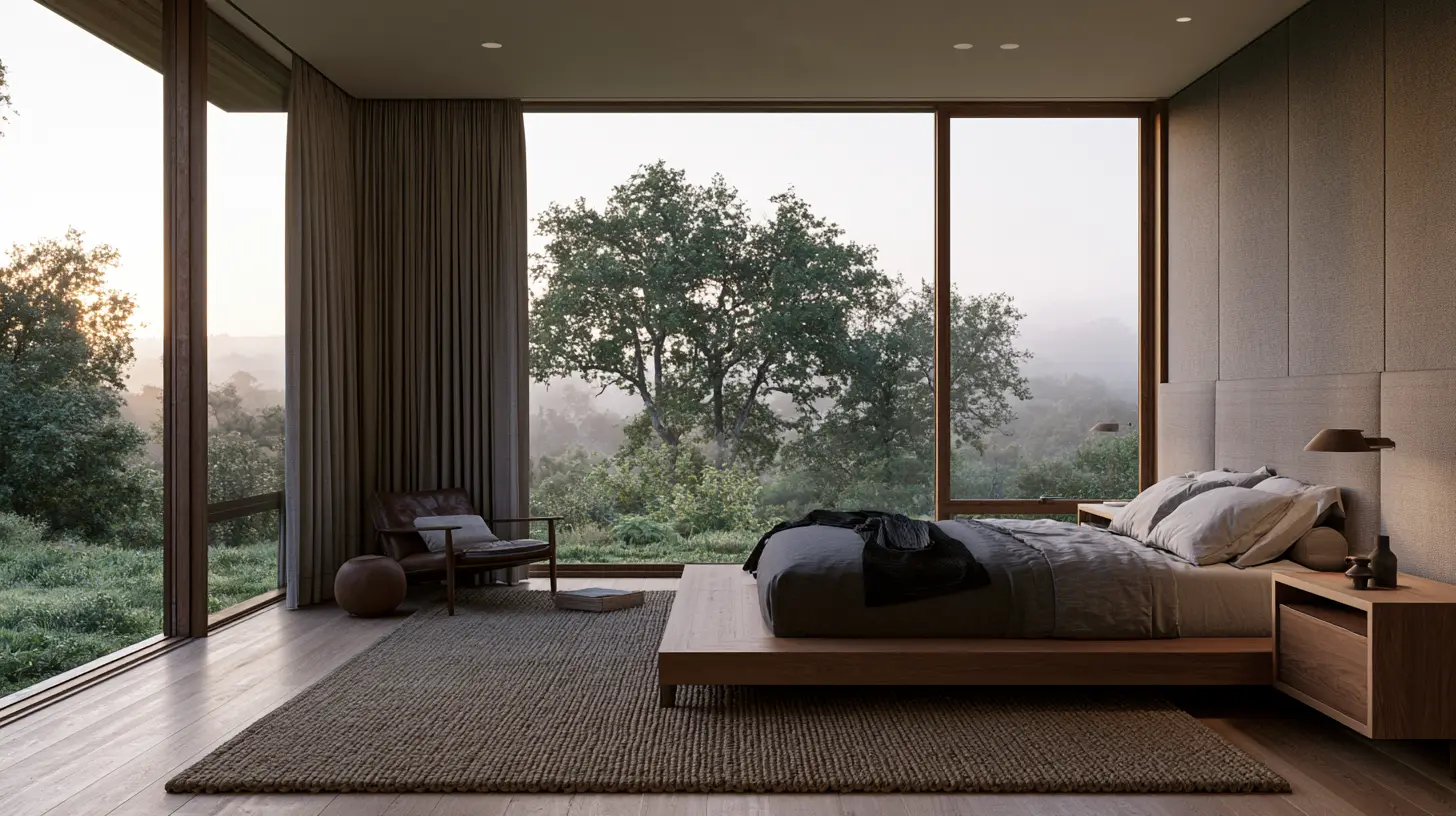
What this domain covers
This domain covers daylight and electric light as two connected design decisions. On the daylight side: access to it, orientation, overhangs and external shading, and the control of glare — managed by shaping the building before reaching for tinted glass or smaller windows, because tint and small windows buy their reduction in solar gain by giving up daylight.
On the electric side it is a specification discipline. Every light fitting is documented by its measured characteristics rather than by its product category, along with how it behaves across its full dimming range with the specific control it will be installed with. Provision is made so that tunable-spectrum fittings can be added later in living and sleeping areas without opening finished surfaces.
Daylight strategy belongs to the architect. Fitting selection belongs to the architect and the interior designer. The electrician installs what was specified and has no selection authority.
Why it matters in Central Texas
Central Texas offers a great deal of daylight and a great deal of heat with it, and the two arrive together. Where daylight and cooling load conflict, Thermal Comfort prevails — but the answer is shading that intercepts the sun before it reaches the glass, not darker glazing that trades daylight away.
Hot summers make that distinction practical rather than aesthetic: external shading solves the gain, and the house keeps its light.
How depth is chosen
Two rungs: Essential and Comprehensive. Essential is the floor — the daylight and shading strategy drawn on the plans, full documentation of every specified fitting and its dimming behaviour with its control, and the wiring provision that keeps a future upgrade from becoming a renovation.
Comprehensive installs tunable-spectrum fittings and controls in named rooms and applies a stricter documentation bar to flicker behaviour across the dimming range. That is a capability of the equipment installed, with no outcome claimed.
What we document
The Record holds the shading strategy as drawn, the measured characteristic data for every specified fitting, its flicker and dimming documentation with the control it was submitted against, the rough-in photographs and control schedule, and — where elected — the capability data for the named rooms.
Verification here is document review at submittal followed by an installed-match check at completion: an independent verifier confirms that the fittings, drivers and controls actually installed match the approved submittal by manufacturer and model. No field measurement is made in this domain, at any depth. Any substitution goes back for documentation before it is installed.
Findings in this domain are recorded in the Sage Co. Record. Sage Co. may mark a requirement specified and installed. Only an independent third party can mark it verified, and verification is elected domain by domain — how verification works.
Reviewed by Jake Rangel, September 19, 2026
Related reading
- Fluorescent lighting flicker frequency measured against headache and eyestrain incidence in office workers
- Action spectrum for light-induced melatonin suppression measured in healthy adults
- Action spectrum for melatonin suppression measured with monochromatic light in healthy adults
- Evening room light exposure measured against melatonin onset and duration in healthy adults
- Natural light-dark exposure measured against circadian timing in adults living in an electrical lighting environment
- Bedroom light at night measured against incident depressive symptoms in an elderly Japanese cohort
Build this into your house
Sage Co. builds and consults across Austin, San Antonio and the Hill Country. Start with a call and we will walk this domain — and the other ten — against your project.