Core
Independent verification for Indoor Air Quality, Moisture & Mold, and Water Quality.
Verification
Independent verification is offered on every build. It is an optional paid add-on, and the client elects it. Where it is elected, requirements move through three states: specified, then installed, then independently verified. Sage Co. can set the first two. Only an independent verifier — a qualified third party outside the company — can set the third.
Verification is priced domain by domain and reviewed with you on your estimate call. Any domain a client declines is named on a release they sign before the build is released for construction, and the closing letter names only the domains that were elected and passed.
Essential, Enhanced, and Comprehensive describe how deeply the Standard is specified and coordinated. Independent verification is a separate choice.
Last reviewed August 29, 2026.
Set by Sage Co.
The requirement is written into the project from the Approved Materials Catalog, at a specific catalog version, together with the test or inspection that will settle it. Acceptance criteria are set per project in the agreement and recorded in the Sage Co. Record. A specification with no way to check it is not a specification.
Set by Sage Co.
The work is in place and the field record exists — photo set, installer, date, location, and the deviations if there were any. Installed means the crew is done. It does not mean the requirement is met.
Set only by the Independent Verifier
A qualified third party who is not Sage Co. checks the installed work against the specification and signs the result. Only that role can move a verification into this state. Nobody inside the company can, at any permission level, by any path.
Elected. A qualified third party outside Sage Co. tests and signs the results.
Declined. The work is still built to the written standard, but no outside party tests it and no clearance letter issues; a release records that choice.
Independent verification for Indoor Air Quality, Moisture & Mold, and Water Quality.
Independent verification for the ten instrument-measurable domains, plus an independent design-review attestation for Space & Biophilia.
Independent verification elected for the individual domains you choose.
Space & Biophilia cannot be measured by instrument after completion. It is verified through independent design review against the scope written for the project.
Until an independent verifier signs it, a requirement carries a Pending verification marker everywhere it appears — your project view, the field record, and the handover document. Nothing is quietly upgraded, and nothing is reported as done because the schedule wanted it to be.
Failures are preserved. A failed test stays in the record next to the corrective work and the retest, permanently. You get the whole sequence, not a clean summary written after the fact.
Clearing every gate does not mean the house is right. The gates are the floor, not the ceiling. If something looks wrong, stop and escalate regardless of what the checklist says. That line is printed on every stage sign-off our crews complete.
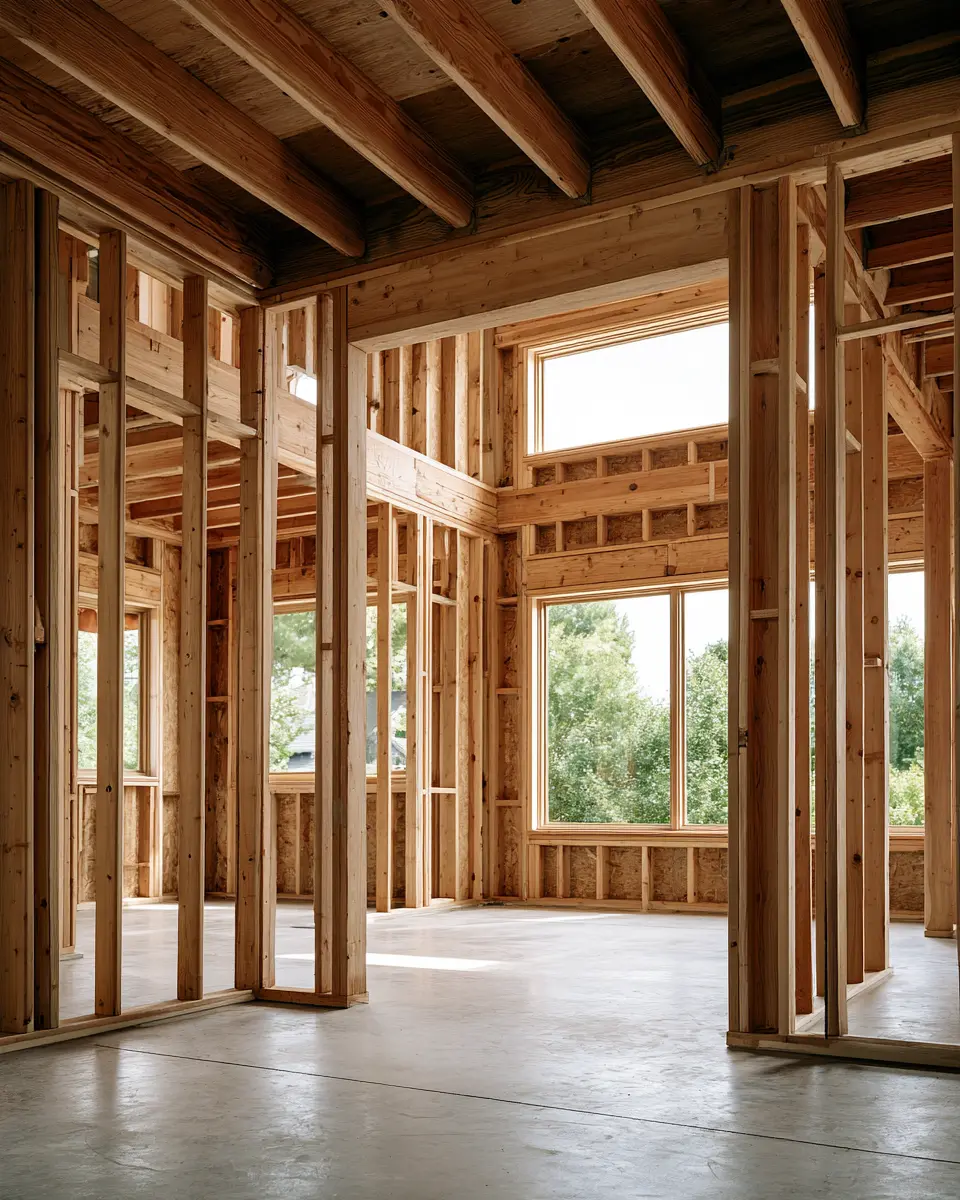
Rendering — representative of Sage Co. design intent, not a completed project.